
The legendary story of Troy, from the gigantic wooden horse to the (almost) invincible Achilles, is a classic case of a well-known story that is actually not well-known at all. We can usually recall the main plot points fine. A young prince from the city of Troy – Paris – takes Menelaus’ wife, the beautiful Helen, and brings her with him to the city. Menelaus calls upon his brother, the powerful Achaean (read : Greek) king Agamemnon, to help get her back. Agamemnon gathers armies from across the Greek peninsula, including the powerful Myrmidons led by Achilles. Achilles manages to kill Hector, the heir to the throne and greatest warrior of the city. The Greek Hero is eventually killed by an arrow to his heel, the only “non-invincible” part of his body. Troy proves to be much harder to invade/capture than expected. The invaders hatch a plan where they make it seem like they abandoned the war, leaving behind a gigantic wooden horse as gift to the Trojans. They take the horse inside the city walls, not knowing it was full of soldiers who get out during the night, starting the sack of Troy.
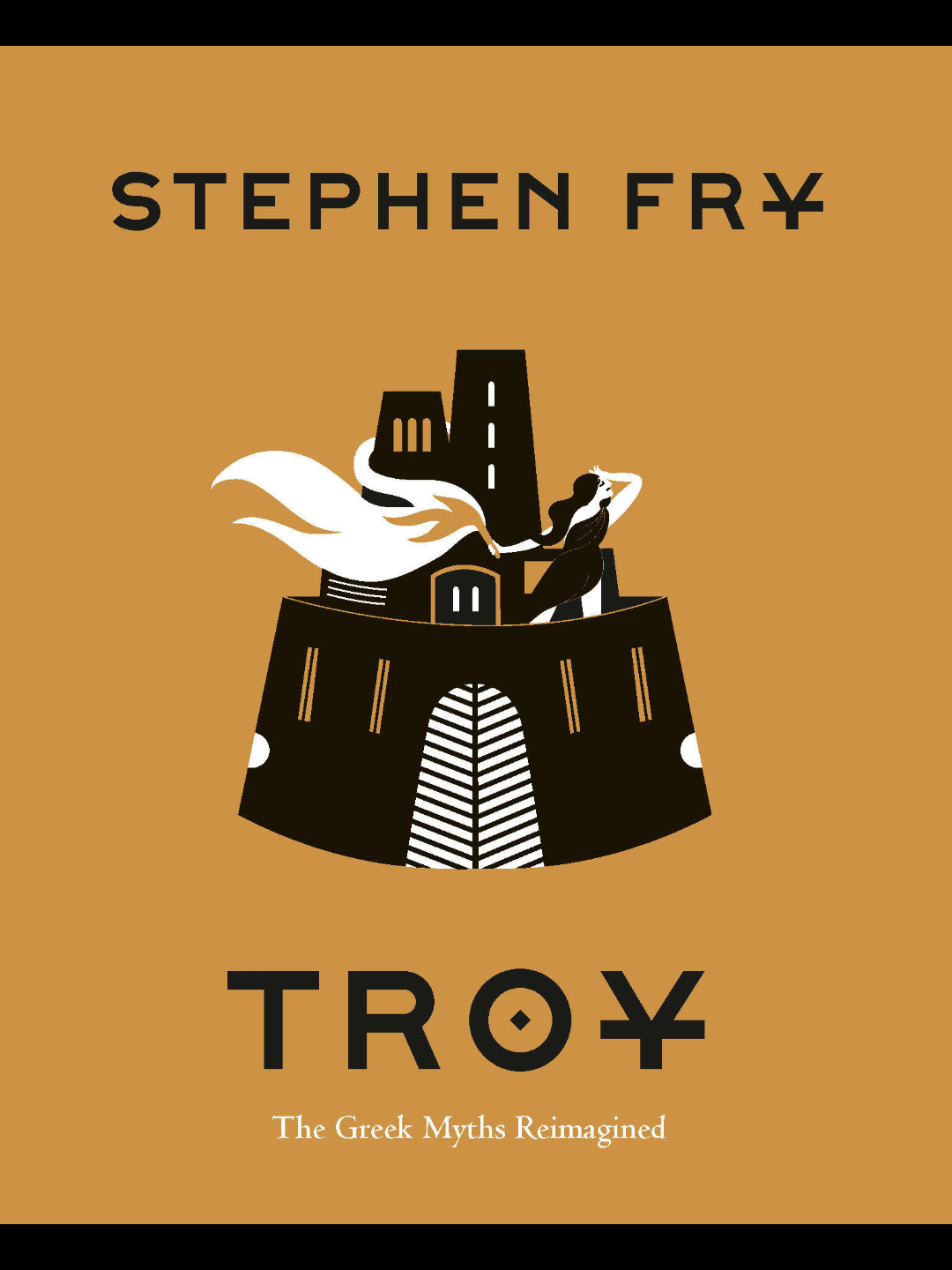
That’s basically what I knew of the story of Troy, plus a few details from the 2004 movie (many of which turned out to be inaccurate). I have not read the Iliad, the epic poem depicting the Trojan war written by Homer. This book, written by famous British comedian/actor Stephen Fry, is a retelling of the Greek myth in modern English. When I first saw it on sale, I’ll admit my reaction was “Why would anyone buy that? Couldn’t you just read the original story by Homer?” Then I read a few reviews and figured that I didn’t know that much about that story, so I might as well get acquainted with it on a deeper level.
I’m honestly very happy I did. Stephen Fry’s take on the story of Troy is a joy to read. It’s very detailed and complex while remaining accessible to the modern reader, even those with very little knowledge of Greek mythology. I really enjoyed having the characters express themselves in modern English, it’s a really funny thing to imagine.
The story itself lives up to the expectations ; a tale of epic proportions, full of intrigue and colorful characters. It’s even easier to appreciate why it lived on in our collective mind for so long. It’s one of those stories where there are many main characters but no real “good guy” or “vilain” when looked at from the outside. Each side has a legitimate reason to be angry at the other and you can’t be faulted rooting for either of them.
Some aspects of the story stood out to me. They’re informed by my own expectations and prior knowledge, your mileage may vary. First, a significant portion of the story is actually the backstory, how Troy was founded and the various characters that shaped its history. I was – but should not have been – surprised by how much Greek gods and spirits were involved in the whole story. And not only as spiritual beings overlooking the whole thing, but as active participants (i.e. Achilles’ mother is a nymph). Paris, Hector’s brother, has actually a fascinating backstory. A prophecy foretold that he would mean the doom of Troy and was consequently abandoned to die as a infant. He survived and later regained his place next to the king. He is shown as brave, intelligent and strikingly handsome. In the 2004 movie, what is shown is the cowardly and weak side of Paris (he was indeed not a great warrior) and almost nothing else.
Overall, it’s a fun read and remains quite accessible despite the vast amount of characters with unusual (ancient Greek) names. It’s an ideal way to get into one of the most important myths in major western civilizations.
 I Read Many Things